South El Monte roofs take a beating. Afternoon sun bakes shingles past 150 degrees on summer days, then cool marine layers creep inland overnight. Winter storms drop fast-moving squalls from the San Gabriels, and Santa Ana winds test every fastener. I’ve climbed enough ladders in this city to know that a roof here has to be both tough and forgiving. Tough, to shed heat and shrug off gusts. Forgiving, to expand and contract without cracking under stress.
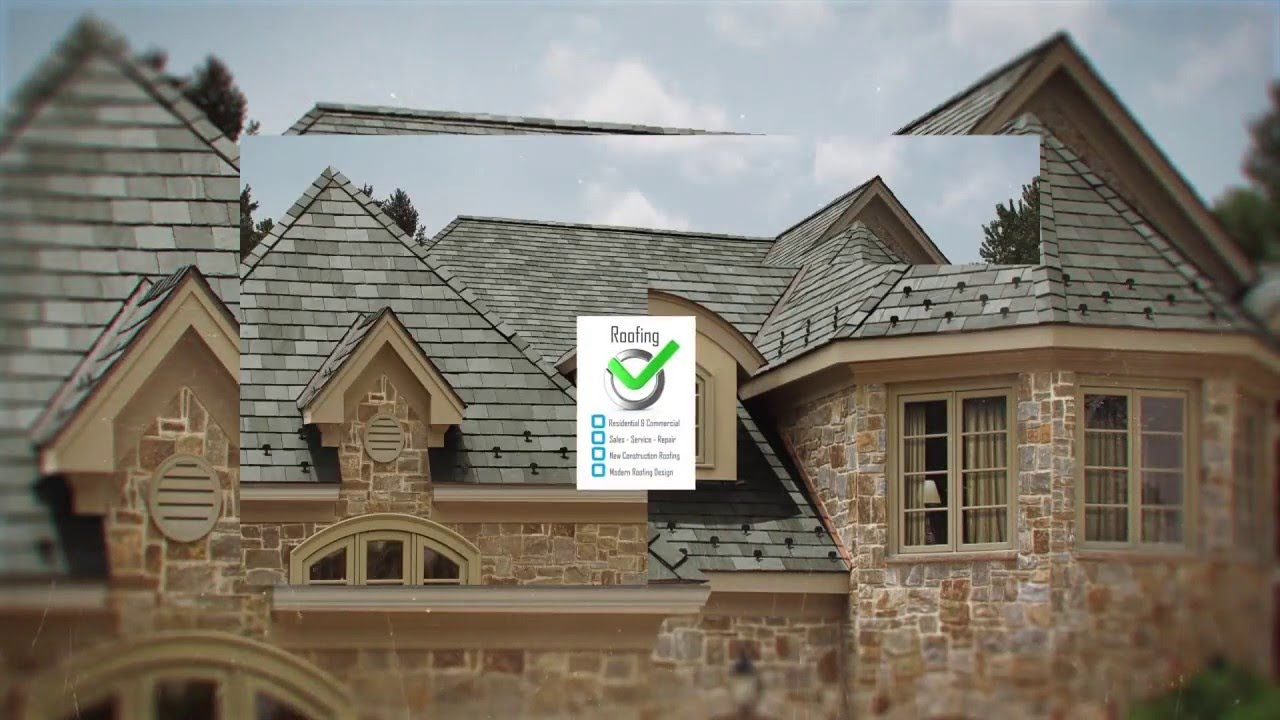
If you’re searching for roofing companies near me, the best way to choose wisely is to understand the materials, the local quirks, and the life-cycle decisions behind roof maintenance, repair, and roof replacement. What follows isn’t a generic buyer’s guide. It’s a working field perspective on what actually holds up in South El Monte and what to ask your roofing contractors near me before anyone sets foot on your roof.
The South El Monte Climate Factor
Our climate is hot-summer Mediterranean with a semi-arid edge. That means roofs deal with UV exposure, thermal cycling, occasional downpours, and a dust load that settles everywhere. UV breaks down asphalt binders in roof shingles. Heat causes underlayment to age faster than the brochure claims. Expansion joints on commercial roofing systems, especially TPO roofing, can pull if they weren’t welded with proper heat and pressure.
The net effect is a tighter maintenance schedule than you might expect from a mild-climate map. When a manufacturer says a shingle lasts 30 years, plan for 20 to 25 here if it’s standard-grade and not a cool-rated or premium product. For flat roofs, a TPO membrane marketed at 20 years may need seam maintenance at 10 to 12, especially around penetrations like HVAC stands and vent stacks.
What a Roof Inspection Should Actually Cover
A proper roof inspection is not a quick walk-and-squint. It’s an organized set of observations with photos, measurements, and moisture readings. When you call for roof inspection, expect your roofing services team to:
- Check field surfaces: look for granule loss on roof shingles, cracked roof tiling, ponding on low-slope sections, and blistering on membranes. Probe transitions: the places where trouble hides, such as wall-to-roof junctions, skylight curbs, chimney saddles, and parapet caps. Verify flashings: step, counter, apron, and pipe flashings; watch for popped nails, fatigued sealant, or improper overlap. Assess attic or plenum: look for stained sheathing, daylight at fasteners, inadequate ventilation, and insulation that’s faced the wrong way. Test with moisture meter: around suspicious areas, especially on older underlayment or near scuppers and drain bowls on commercial roofing.
A solid inspection ends with a short, clear report. Not a scare tactic, not a shrug, but a prioritized plan: urgent safety issues first, active roof leak repair second, preventative maintenance third, and long-range replacement planning last.

Minor Repairs That Prevent Major Bills
Small problems escalate when heat cycles open gaps and a stray storm pushes water in. The most common small fixes I see around South El Monte are cost-effective and fast, but only when caught early.
Cracked or slipped tiles. Concrete or clay tile roofs are common here. They shed water well, but a single displaced tile can expose felt underlayment that the sun will chew up quickly. Re-seat the tile, replace broken ones with the correct profile, and reset the clip or nail using compatible fasteners. If you have roof tiling without proper headlap, you’ll see patterns of leaks during wind-driven rain.
Shingle blow-offs and lifted tabs. On older three-tab roofs, a few missing shingles can create a zipper effect. Replace missing tabs, renail sheathing if needed, and use roofing cement sparingly. If you see a pattern every wind event, the adhesive strip has aged out and you’re moving toward roof replacement territory.
Flashing failures at penetrations. Ninety percent of the leaks I trace come back to flashing or sealant. Pipe boots crack, skylight curbs shrink away from counterflashing, and satellite installs pierce underlayment without proper sealing. Replace boots, reflash with step and counter, and use high-quality sealants rated for UV and movement.
Flat roof punctures and seam splits. TPO roofing is resilient, but dragging an HVAC panel or setting a ladder wrong can nick the membrane. A trained crew will clean the area, apply primer if required, and hot-air weld a patch with proper overlap. Cold patches with incompatible adhesives are a Band-Aid and rarely last.
Gutter and scupper blockages. The valley of leaves at the back corner of a property, the one that never gets sun, breeds ponding. For flat or low-slope roofs, even half an inch of standing water over 48 hours accelerates membrane aging. Clean drains, reseal strainers, and check the slope.
If you’re searching for roofers near me or roof repair near me for one of these small issues, ask about material compatibility. Patching TPO with EPDM, or mixing incompatible sealants, leads to early failure. A good contractor carries the right primers, patches, and heat-welding tools for your specific roof.
The Decision Point: Repair or Replace?
Nobody wakes up wanting a new roof. Most of us try repairs first, and that’s smart if the roof still has service life. I steer clients with the following framework:
Age and condition. If an asphalt roof shingles system is 18 to 22 years old and you’re seeing broad granule loss, curled edges, and frequent blow-offs, money spent chasing leaks buys little time. Multiple leaks in separate planes signal systemic aging. For tile roofs, the tiles themselves may outlast the underlayment; once the felt is brittle and torn in many sections, you’re looking at a lift-and-relay with new underlayment rather than patching endlessly.
Water path complexity. Simple, isolated leaks at a pipe boot are repair-friendly. Complex leaks at valleys feeding dormers, where water changes direction across multiple materials, are often cheaper to solve with partial tear-off and rebuild.
Deck integrity. Soft spots or sagging indicate compromised sheathing. Once plywood delaminates or OSB swells and loses fastener grip, you’re not just patching. You’re rebuilding the load path, which points toward roof replacement.
Energy and insurance goals. Upgrading to cool-rated shingles or TPO with higher solar reflectance can reduce attic temperatures by 10 to 20 degrees on hot days. If you plan to install solar within two years, coordinate with roof replacement so you don’t dismantle a brand-new array for reroofing.
Material Options That Work Here
There is no perfect roof, just a best-fit roof for your home or building’s geometry, budget, and heat exposure. Here’s how the common choices shake out in South El Monte.
Asphalt shingles. Still the most common for single-family homes because of cost and flexibility. Architectural shingles outperform three-tab, especially in wind, and many come in cool-rated colors that keep attics noticeably cooler. Look for Class A fire ratings and algae-resistant granules. Expect real-world life in our climate at 20 to 28 years for good products, less for economy lines.
Roof tiling: concrete or clay. Tile sheds heat well and looks right on many homes here. The catch is weight and the underlayment. Clay is lighter than concrete per tile but often more fragile. The tile can look fine while the felt beneath has baked to paper. A proper tile underlayment in our sun should be a higher-quality synthetic or multi-ply system, with metal flashings that allow movement. Expect a 30-year underlayment cycle, sometimes less in high-heat exposures.
Metal roofing, including steel roofing near me. Standing seam steel is gaining ground for homeowners who want longevity with strong wind resistance. Reflective coatings help with heat, and the panels can be detailed for complex roofs. Pay attention to oil canning on visible slopes and ensure clips allow for thermal movement. On coastal exposures, aluminum outlasts steel, but in South El Monte, coated steel typically performs well. If you’re searching for metal roofing near me, ask about panel gauge, paint system (Kynar vs. SMP), and clip spacing.
TPO roofing for low-slope and commercial roofs. TPO is the workhorse for commercial roofing and many residential additions with low pitch. It’s heat-welded, bright, and energy efficient. Weak points are seams, penetrations, and cheap details. Don’t accept a layover on a soggy substrate. Require proper insulation, tapered where needed, and an adhered or mechanically fastened membrane per manufacturer specs. Good TPO holds up here, but it needs periodic seam checks and curb reinforcement.
Modified bitumen and built-up. You’ll still see these on older buildings. They can perform well if maintained, but most owners migrating to TPO do it for reflectivity and simplified maintenance. For certain roofs with heavy foot traffic, a cap sheet with granules may hold up better than a thin single-ply.
What Roof Replacement Really Involves
A clean reroof is part choreography, part carpentry. It starts with protection: tarps over landscaping, plywood shields over windows, magnets at day’s end to pick up stray nails. Tear-off should reveal the truth. I’ve seen sheathing that looked fine from the attic but showed long runs of dry rot once the covering came off.
Expect plywood replacement in sheets or partial panels where delamination shows. On tile jobs, you’ll see battens replaced and flashings custom-formed. On shingle roofs, valley metal and starter strips set the stage. Don’t skimp on underlayment. For steep-slope, a high-temp ice and water shield in valleys and around penetrations is cheap insurance, even if we’re not in a freeze-thaw roof repair near me region. For low-slope tie-ins, transition from shingle to membrane needs a careful cricket or saddle to direct water.
Ventilation is the quiet hero. Balanced intake and exhaust can extend shingle life and stabilize attic temps. Ridge vents need matching soffit intake or a smart alternative on closed-eave homes. Without proper airflow, heat cooks the roof from beneath and voids warranties. If your contractor waves off ventilation, find another.
On TPO roofing, ask about fastening patterns at perimeters and corners. Wind uplift is strongest there. Detail drawings should show reinforced corners, proper term bars at walls, and wrap-and-weld techniques at pipes, not just caulk.
The Hidden Costs That Are Worth It
Three line items that don’t show flashy photos but pay you back:
Upgraded flashings and metals. G90 galvanized or painted metal flashings outlast flimsy builder-grade tin. Pre-finished metals also look better and resist rust lines. On tile roofs, two-piece flashings with proper overlap keep wind-driven rain from sneaking in.
Synthetic underlayment for tile relays. Standard felt dries out fast under tile here. A synthetic or double-layer system increases lifespan. It costs more up front, but saves on labor and disruption later.
Fastener quality and pattern. On shingles, ring-shank nails grip better than smooth shank. On metal, stainless or coated screws with high-quality washers prevent streaking and leaks. On TPO, follow the engineered fastening pattern, not a “close enough” guess.
Roof Leak Repair: Tracking Water With Discipline
Water travels in sneaky ways. I’ve traced a kitchen ceiling leak to a chimney saddle six feet upslope, and a garage drip to a nail pop under an otherwise healthy shingle. The process is systematic: test with controlled hose work starting low and moving up, isolate planes, then chase capillary paths along rafters and underlayment. Slathering mastic over a visible crack may slow the symptom, but without finding the entry, you’ll see it again.
When you call for roof leak repair, expect documentation: point of entry, path, and fix. If the answer is just “we sealed it,” you paid for a guess.
Commercial Roofing Considerations
Commercial flat roofs in South El Monte run from small retail strips to busy warehouses. Foot traffic from maintenance crews and add-on equipment present constant risks. I tell property managers to budget for annual inspections, post-storm checks, and a five-year plan that includes coatings or seam maintenance.
With TPO, the top issues are:
- Curb and penetration detailing around new HVAC installs that weren’t flashed by a roofer. Scuppers and overflow drains that clog with debris from surrounding trees or nearby construction dust. Perimeter terminations where mechanical fasteners back out over time.
Good commercial roofing service agreements specify response times, photos after each visit, and a simple map marking trouble spots. Keeping a roof file saves hours and dollars when tenants report a leak.
Permits, Codes, and Practicalities in LA County
South El Monte follows Los Angeles County Building Code with local administration. Most reroofs require a permit. Tear-offs often reveal structural issues the inspector will want addressed, like inadequate nailing of sheathing or missing blocking at eaves. Insulation and cool roof requirements apply to many re-roofs; cool-rated roof shingles or reflective membranes aren’t just a green add-on, they’re part of code for energy efficiency in many cases.
Plan for inspection timing. A good contractor sequences work so the deck nailing inspection, underlayment check, and final sign-off don’t stall progress. If your timeline is tight due to upcoming solar or a sale, say so upfront so the crew can schedule inspections accordingly.
Roof Maintenance That Actually Extends Life
A maintenance visit twice a year is the “oil change” of roofing. In our area, late fall after leaf drop and late spring before real heat sets in is pragmatic. The checklist looks simple but has outsized impact:
- Clear debris from valleys, gutters, scuppers, and behind chimneys or skylights. Reseat loose fasteners on metal edge details and replace missing shingle tabs. Re-seal minor flashing joints with compatible sealant, not generic roof goop. Inspect and clear attic vents, verify ridge and soffit balance. Document small changes, like hairline membrane splits, to catch trends early.
This is where the search for roofing contractors near me pays off when you find a team willing to treat maintenance as a professional service, not a footnote. Practices that respect details keep roofs out of the emergency zone.
What To Ask When You Call Roofing Companies Near Me
Good contractors answer hard questions directly. Three practical questions I’d ask if I were on your side of the table:
- Which crew will be on my roof, and who is the job lead on site? Subcontracting is normal in roofing, but oversight is everything. Names and a cell number signal accountability. What is your plan for protecting landscaping and cleaning up nails? Rarely discussed, hugely important. Magnetic sweepers, tarps, and daily cleanup routines keep homes safe and relationships friendly. Can you show me details for my roof type from the manufacturer? For TPO roofing, ask to see typical details for parapets and penetrations; for tile, ask how they handle two-piece flashings and headwall counterflashing. You’re looking for fluency, not improvisation.
Price matters, but so does the scope behind the number. A bid that excludes flashings, ventilation, or wood replacement is not a bargain. It is an open tab.
Realistic Timelines and Budget Ranges
Costs move with material, complexity, and market conditions. In South El Monte, rough ranges as of recent seasons:
- Architectural asphalt shingles on a typical single-family roof: often mid to high teens per square foot installed when wood replacement is minimal, inclusive of tear-off, underlayment, flashings, and vents. Steeper or complex roofs run higher. Tile lift-and-relay with upgraded underlayment: frequently lower than full new tile, but labor heavy. Expect premium for specialty tiles or extensive flashing work. Standing seam metal: higher upfront, varying by panel type and color finish. Complex flashing transitions raise labor, but service life tends to be longer. TPO on commercial roofs: priced by square footage with line items for insulation, tapered design, and edge metal. Penetration count and curb details drive labor.
These are directional, not quotes. Material prices can swing 10 to 25 percent over a year. The best way to pin down a number is a roof inspection with measured drawings and a written scope.
Coordinating Roofing With Solar, HVAC, and Other Trades
Many South El Monte homeowners coordinate roof replacement with solar installs. If you plan panels within the next two years, reroof first or negotiate a reroof credit with the solar company that includes a panel removal and reset. Panels shade the roof underneath and complicate future access. For TPO systems on commercial roofs, enforce a rule: no penetrations from other trades without roofer supervision. Most membrane leaks I see on commercial buildings come from post-roof penetrations that were sealed with generic mastic instead of welded flashing.
HVAC units near ridge lines add weight and roof vibration. Curbs must be properly sized, insulated, and flashed. Ask your roofer and HVAC contractor to coordinate curb heights, so water can’t build against equipment during heavy rain.
When Speed Matters: Storm Response Without Regret
A sudden leak after a big storm is stressful. Tarping buys time, but tarps fail when they’re not properly anchored and sloped. A good emergency response includes targeted patching where possible, covered by a tarp that sheds water off the roof, not under the edges. Photos before and after help your insurance claim. Don’t accept overspray sealants that contaminate shingles or tiles; they create long-term issues for adhesion and appearance.
If you need roof leak repair fast, keep notes on dates, storm conditions, and what was observed. When your regular roofer arrives, this context speeds diagnosis and cuts costs.
The Human Side: Communication and Trust
Roofs are construction projects you live under while they happen. The best experiences I’ve seen come down to simple, consistent communication: a start date that holds, a daily plan explained each morning, and straightforward updates if wood rot or hidden conditions force changes. Crews that take pride in their work pick up debris as they go and leave a site tidy each day. That’s not fluff. It is a practical indicator of attention to detail that also shows in how they treat flashings and penetrations.
If you’re sifting through roofers near me and unsure who to choose, talk to a past client who had the same roof type as yours. A tile relay is different from a shingle tear-off, and a flat TPO reroof is a different animal altogether.
Final Thoughts: Make the Roof Earn Its Keep
A roof isn’t decorative. It’s a system of layers working together. In South El Monte, where sun and wind work roofs hard, the best investment is a combination of smart material choices, disciplined detailing, and steady roof maintenance. Whether you need a quick patch, a targeted repair around a leaky skylight, or a full roof replacement, look for roofing services that treat your roof as a system rather than a surface.
If you’re weighing metal roofing near me versus new architectural shingles, or comparing a TPO overlay to a full tear-off on a commercial building, the right contractor will lay out the trade-offs clearly: up-front cost, maintenance cadence, energy performance, and expected life. That’s how you avoid surprises and get a roof that does its job, quietly, for years.

And one last field note: most roof problems don’t start with the sky. They start with a detail. A flashing leg an inch too short. A missed nail line. A clogged scupper. Choose a team that lives for details, then give them the time and budget to do it right. Your future self, dry and comfortable on a stormy night, will be grateful.